
Post-Flood Septic Inspection
Protect your septic system after flooding with a certified post-flood septic inspection from Septiclear Inc. Call (503) 542-9660 for a free estimate on all flood recovery services.
Full System Inspection Every Visit
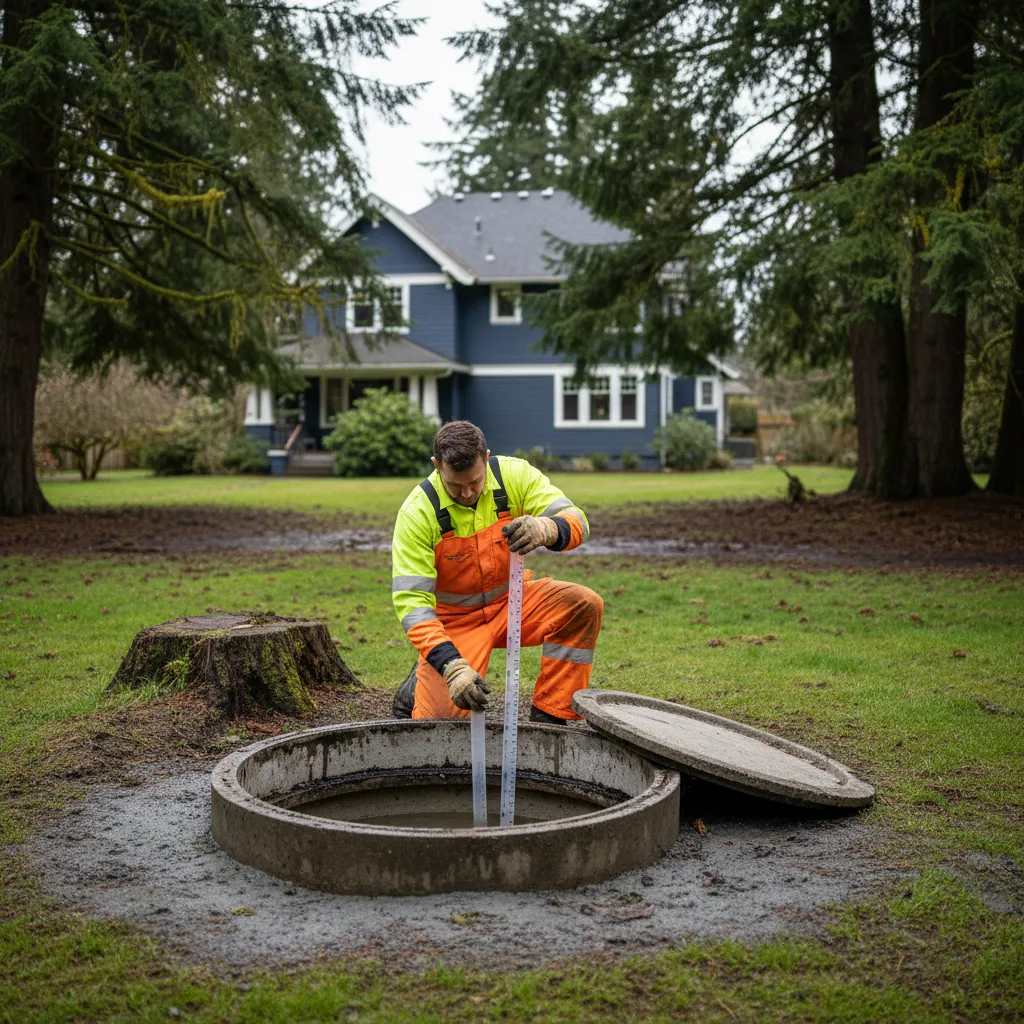
We check baffles, walls, and drain field signs – not just pump and leave
Emergency & Scheduled Service
Same-day emergency response for residential, commercial, and industrial
Written Report After Every Job
Compliant Effluent Disposal
Hauled and disposed at state-approved facilities – groundwater protected
Prompt Arrival Windows
Vetted Local Partners Statewide
All 36 Oregon counties covered through licensed local service partners
5 Highlights on Post-Flood Septic Inspection
Comprehensive tank and drain field assessment
Our technicians inspect the septic tank, distribution box, inlet pipe, outlet pipe, and baffles for flood-related damage, sediment intrusion, and structural compromise caused by hydrostatic pressure and buoyant forces on buried concrete, fiberglass, and polyethylene tanks.
Groundwater and water table evaluation
We measure soil saturation levels and monitor groundwater elevation around your leach field to determine whether effluent can safely percolate and infiltrate through the surrounding soil profile.
Camera inspection of lateral and inlet pipes
We camera-inspect all accessible pipes to locate cracks, collapsed sections, sediment blockages, and silt intrusion that floodwater deposits directly into your system’s primary and secondary components.
Effluent and contamination testing
We sample effluent, test for bacterial contamination, and evaluate whether raw sewage has discharged or backed up into your home or surrounding soil during the flood surge.
Certified inspection report and health department documentation
Every post-flood septic inspection produces a detailed inspection report, service record, and permit-ready documentation your local health department may require before you resume normal system use.
Across Oregon since founding
Trusted in the Pacific Northwest
All Oregon health & env. codes
Need service today? We're ready.
Call now for same-day emergency pumping or schedule your next routine visit.
Why Choose Our Post-Flood Septic Inspection
Septiclear Inc has been inspecting residential and commercial septic systems across Oregon since 2012, serving properties in Multnomah, Clackamas, Washington, Yamhill, Columbia, and Marion counties. As a licensed septic and plumbing service provider, we specialize in post-flood assessment for both residential and commercial systems. Our licensed inspectors and certified technicians carry the credentials your health department recognizes, and we back every post-flood septic inspection with a written guarantee on our findings.
We don’t just pump the tank and leave. We probe the soil, evaluate the drain field, test the dosing pump and float switch, inspect sump pumps, check gas line access points near the system, and verify the control panel and alarm system on aerobic treatment units. We inspect mound systems, chamber systems, pressure distribution systems, and conventional systems with equal thoroughness.
Our pumper trucks and vacuum trucks arrive fully equipped with jetting hoses, snakes, camera probes, and soil sampling tools. We assess the distribution box for sediment accumulation, check every inspection port and cleanout access point, and evaluate whether your perforated pipe network has sustained damage from saturated soil shifting or debris impact.
Floodwater carries silt, clay, and organic contaminants that clog biomat layers and destroy the bacterial balance your drain field depends on. We diagnose those conditions accurately and give you a clear, honest report. No guesswork. No upselling repairs you don’t need. Just a qualified, professional post-flood septic inspection from licensed technicians you can trust.
Our inspections are led by Ryan Lear, an Oregon DEQ-certified septic contractor. Our technicians are certified through the National Association of Wastewater Technicians (NAWT) and operate in full compliance with Oregon DEQ OAR 340-071 governing onsite wastewater treatment systems. Call (503) 542-9660 to schedule your inspection.
Certified, Insured & Compliant - Every Job, Every Time
State Licensed
Fully licensed by Oregon health & DEQ
Fully Insured
Liability & workers’ comp coverage
Approved Disposal
Licensed effluent disposal facilities only
Written Reports
Documented service record after every job
DEQ Compliant
Full Oregon environmental code compliance
Signs You Need Post-Flood Septic Inspection
Sewage backup inside your home:
If toilets, sinks, or floor drains backed up during or after the flood, your septic tank likely reached capacity or your inlet pipe became blocked with sediment and debris. Raw sewage backup is a critical plumbing issue that signals your system can’t accept additional wastewater. Contact a licensed septic technician for immediate inspection before you run any water.
Standing water or wet soil over the drain field:
Saturated soil above your leach field or mound system after floodwaters recede means your perforated pipes may be submerged, your biomat may be clogged with silt, or your soil’s percolation rate has dropped to near zero. A post-flood septic inspection identifies whether the saturation is temporary or whether the drain field has sustained permanent hydraulic damage.
Septic tank lid or riser displaced:
Floodwater exerts significant hydrostatic and buoyant force on buried tanks. A shifted lid, cracked riser, or displaced cover exposes your tank to direct surface water intrusion, sediment loading, and contamination. Inspect any visible displacement immediately.
Unusual odors near the system or inside the home:
Sulfur or sewage odors near your distribution box, cleanout ports, or inspection risers after a flood indicate that effluent has surfaced, pipes have cracked, or baffles have failed. These odors also signal potential groundwater contamination from untreated sewage discharge. Our technicians use advanced leak detection methods to pinpoint the source before it spreads further.
Pump alarm or control panel fault:
If your dosing pump alarm triggered during the flood event, your pump chamber may have flooded, your float switch may have failed, or your compressor or blower on an aerobic treatment unit may have sustained water damage. A post-flood septic inspection tests all electrical and mechanical components before you reset the system.
Is It Time to Pump Your Tank?
Our Post-Flood Septic Inspection Process
Site evaluation and access
We locate all system components using your site plan and service record, then expose the septic tank lid, risers, inspection ports, and distribution box. We map the drain field perimeter and note any visible surface flooding, displaced covers, or soil erosion.
Tank inspection and pumping
We pump the tank using our vacuum truck, then inspect the interior for cracks, corrosion, sediment accumulation, and baffle condition. We check the inlet pipe and outlet pipe for blockages and structural damage.
Camera inspection and pipe assessment
We camera-inspect lateral pipes, cleanouts, and the distribution box to locate collapsed sections, silt intrusion, and cracked PVC or concrete pipe segments.
Drain field and soil evaluation
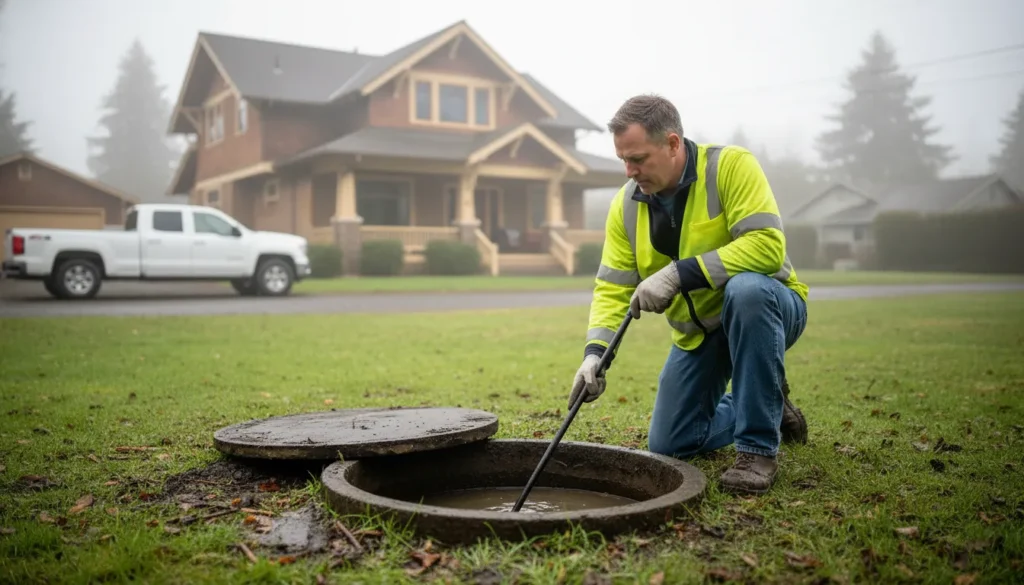
We probe the soil around the leach field, measure the water table depth, and assess percolation conditions. We evaluate whether the biomat layer has been disrupted or sealed by flood sediment.
System testing and reporting
We test the dosing pump, float switch, alarm, and control panel. We sample effluent if contamination is suspected, then compile a complete inspection report with findings, recommended repairs, and health department documentation.
Never Miss a Pump Date Again
We offer annual and biannual scheduled pumping plans for residential and commercial customers – set it once, stay consistently maintained.
Brands We Use
Septiclear Inc uses trusted, professional-grade equipment and system components during every post-flood septic inspection. We work with the brands your system likely already contains and the tools our technicians rely on daily.







We use manufacturer-approved components and follow all safety protocols during post-flood inspections. Floodwater carries biological and chemical contaminants.
Other Services
Post-flood septic inspection
Septic inspection after flooding
Flood damage septic system assessment
Flood septic system check
Septic system flood evaluation
Saturated drain field inspection
Post-flood septic assessment
Flooded septic tank inspection
Groundwater septic contamination test
Septic inspection flood damage
Emergency septic inspection after flood
Leach field flood damage evaluation
Flood septic system service
Residential post-flood septic check
Septic tank flood recovery inspection
Plumbing service after flood
Local plumbing and septic issues
Commercial plumbing flood recovery
Sump pump flood inspection
Leak detection septic system
Gas line check post-flood
Ready to schedule your service?
Prompt arrival windows, transparent pricing, no surprise fees – guaranteed.
FAQs About Post-Flood Septic Inspection
What is a post-flood septic inspection?
A post-flood septic inspection is a professional evaluation of your entire septic system after a flood event. It covers the septic tank, distribution box, drain field, inlet and outlet pipes, baffles, dosing pump, float switch, and all accessible inspection ports and cleanouts.
When should I schedule a post-flood septic inspection?
Schedule one as soon as floodwaters recede from your property. Don’t run water, flush toilets, or operate your washing machine until a licensed inspector clears the system. Using a flooded or damaged system forces untreated sewage into saturated soil and can contaminate your groundwater supply.
Why does flooding damage a septic system?
Our technicians pump the tank, camera-inspect the pipes, probe the soil, test the pump and electrical components, and sample effluent if contamination is suspected. We document every finding in a written inspection report.
Can a flooded septic system contaminate my well?
Yes. A failed or overloaded septic system during a flood can discharge raw sewage into saturated soil, which moves rapidly toward groundwater and nearby wells. Both Oregon DEQ and the EPA’s “Septic Systems After a Flood” guidance recommend keeping well water untested and unused until a licensed inspector confirms no contamination. A post-flood septic inspection identifies contamination risks before they reach your drinking water supply.
Does Septiclear Inc provide health department documentation?
Yes. Every post-flood septic inspection includes a certified inspection report and service record formatted for health department submission. We handle the paperwork so you can meet local permit and approval requirements without delay. All inspection data and customer records are handled in accordance with our privacy policy.
Ready to Work With Us?
We’d love to hear from you. Whether you need routine service, a system inspection, or emergency help today, our team is ready.