Alternative System Upgrade
Upgrade your failing or non-compliant septic system to a modern, permitted alternative that meets current Oregon DEQ standards and your site’s specific conditions. Call (503) 542-9660 to schedule your site evaluation.
Full System Inspection Every Visit
We check baffles, walls, and drain field signs – not just pump and leave
Emergency & Scheduled Service
Same-day emergency response for residential, commercial, and industrial
Written Report After Every Job
Compliant Effluent Disposal
Hauled and disposed at state-approved facilities – groundwater protected
Prompt Arrival Windows
Vetted Local Partners Statewide
All 36 Oregon counties covered through licensed local service partners
5 Highlights on Alternative System Upgrade
Engineered for your site
Septiclear Inc conducts soil profiling, percolation testing, and groundwater evaluation before recommending any alternative system – ensuring the upgrade is sized and designed to pass inspection and perform reliably under your property’s specific hydraulic load.
Full permit coordination
We prepare the site plan, submit the permit application, and coordinate all required health department inspections with your county – under Oregon DEQ OAR 340-071 requirements and local sanitary code standards.
All major alternative system types installed
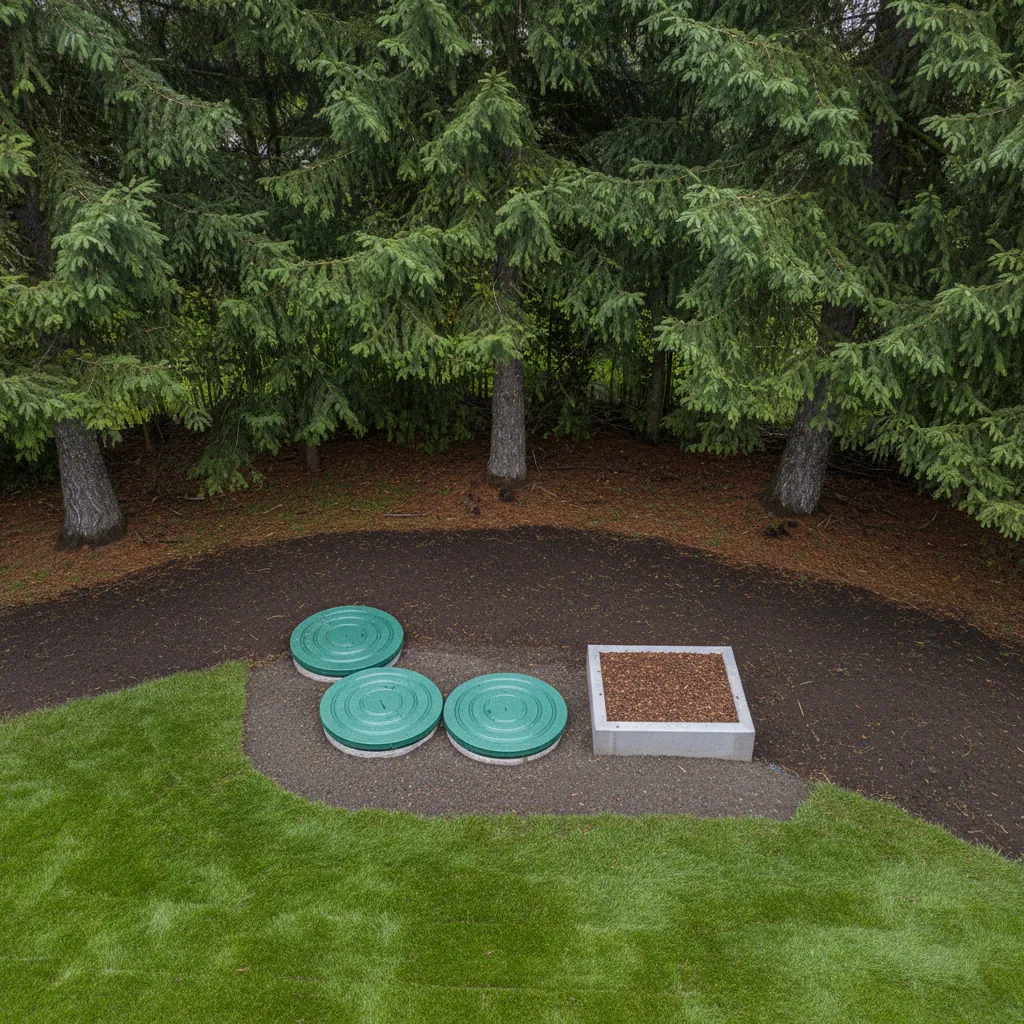
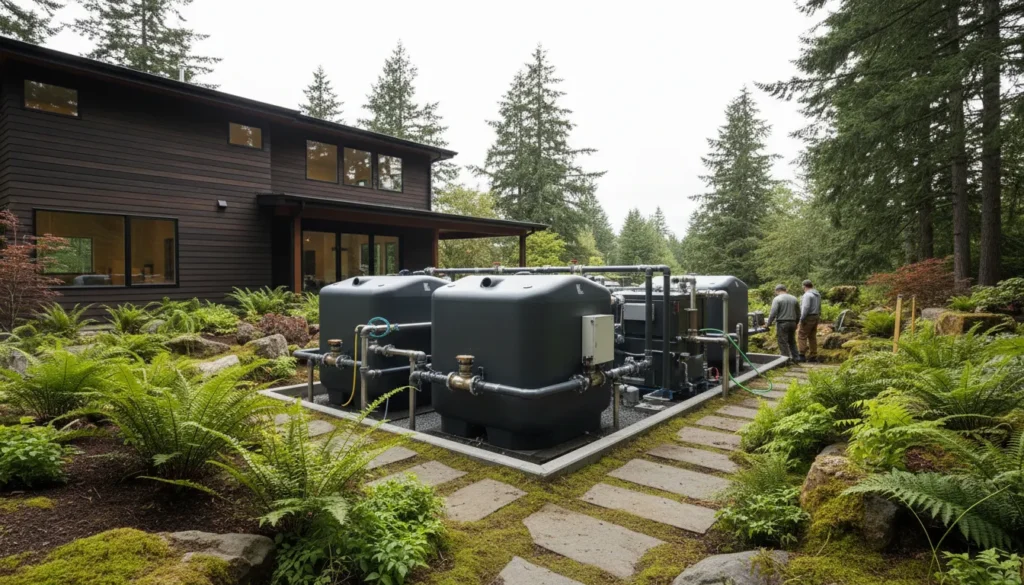
Mound systems, drip irrigation systems, aerobic treatment units, recirculating sand filters, and pressure distribution systems – we design and install the system your site qualifies for.
No subcontracting
Septiclear Inc keeps soil evaluation, system design, excavation, and installation under direct management by our licensed crew. Third parties are not brought in for the technical phases of your upgrade.
2-year workmanship warranty
Every alternative system upgrade Septiclear Inc completes is covered by a 2-year written workmanship warranty on installation labor and component placement.
Across Oregon since founding
Trusted in the Pacific Northwest
All Oregon health & env. codes
Need service today? We're ready.
Call now for same-day emergency pumping or schedule your next routine visit.
Why Choose Our Alternative System Upgrade
Septiclear Inc has been upgrading conventional septic systems to engineered alternatives across Oregon since 2012, serving residential and commercial properties in Multnomah, Clackamas, Washington, Yamhill, Columbia, and Marion counties. Our licensed contractors and certified soil evaluators have completed upgrades on challenging sites – shallow soils, elevated water tables, and sloped terrain – across a range of system configurations.
We assess the full picture before proposing a system. Soil type, groundwater depth, lot size, daily wastewater volume, and setback requirements from wells, water bodies, and property lines all factor into the design recommendation. We don’t propose systems that won’t pass inspection.
Every alternative system upgrade we complete follows Oregon DEQ OAR 340-071 and applicable county health department standards. We prepare the engineering drawings, submit the permit application, and stay involved through the final inspection and sign-off.
Our crews are equipped to handle the excavation, tank setting, pump chamber installation, dosing manifold, perforated lateral placement, and final grading for each system type we install. We don’t hand off phases of the job to unlicensed excavators.
We explain each system option clearly, including the cost difference between a conventional replacement and an alternative upgrade. Homeowners who understand why an alternative system is required – and what makes it more expensive – are better prepared for the project timeline and budget.
Our upgrade work is led by Ryan Lear, an Oregon DEQ-certified septic contractor. Our team is certified through the National Association of Wastewater Technicians (NAWT). Every alternative system upgrade is backed by a 2-year workmanship warranty covering installation labor and component placement. Call (503) 542-9660 to get started with a free site evaluation.
Certified, Insured & Compliant - Every Job, Every Time
State Licensed
Fully licensed by Oregon health & DEQ
Fully Insured
Liability & workers’ comp coverage
Approved Disposal
Licensed effluent disposal facilities only
Written Reports
Documented service record after every job
DEQ Compliant
Full Oregon environmental code compliance
Signs You Need an Alternative System Upgrade
Your current system has failed and cannot be repaired:
When the drain field is permanently saturated, the tank is structurally compromised, and remediation or component repair can’t restore function, a full system upgrade is necessary. A failed system that can’t support a conventional replacement due to soil conditions requires an engineered alternative.
Your site failed the percolation test for a conventional system:
Soil that drains too slowly for a standard leach field – typically slower than 60 minutes per inch in Oregon – cannot support a conventional gravity drain field. Sites with this condition require a system that can manage hydraulic load differently, such as a mound system with engineered fill or a pressurized drip system.
Your existing system no longer meets regulatory standards:
Oregon health departments and DEQ periodically update setback requirements, sizing standards, and treatment level requirements. A system installed decades ago may no longer qualify for a permit transfer during a property sale or trigger a mandatory upgrade under current code.
You're expanding the structure or increasing hydraulic load:
Adding bedrooms, converting a garage to living space, or expanding a commercial operation increases the wastewater volume your system must handle. When the existing system was sized for a smaller load, the upgrade may require an alternative system type to meet the higher hydraulic demand.
The property is near a sensitive water body or protected area:
Properties near streams, wetlands, or groundwater recharge zones may be required by Oregon DEQ or county health departments to meet elevated treatment standards – tertiary treatment or nitrogen reduction – that a conventional system cannot provide.
Is It Time to Pump Your Tank?
Our Alternative System Upgrade Process
Site Assessment and Soil Evaluation
Our certified soil evaluator visits your property to collect soil profile data, conduct test pits, and perform a percolation test. We measure depth to groundwater, identify soil horizons, and document setback distances to wells, water features, and property boundaries.
System Selection and Engineering Design
Based on the soil evaluation, we select the appropriate alternative system and produce a stamped engineering design sized to your daily wastewater flow and site constraints. The design package includes the site plan, system specifications, component details, and all documents required for permit submission.
Permit Application and County Coordination
We submit the complete permit application to your county health department, track the review status, respond to any comments, and confirm approval before scheduling excavation. Permit timelines vary by county but typically run four to eight weeks in Oregon.
Decommission the Existing System
The failed or noncompliant system is pumped and decommissioned in compliance with Oregon DEQ OAR 340-071 before any new installation begins.
Alternative System Installation
Our crew completes the installation – excavation, tank placement, pump chamber, dosing manifold, perforated laterals or drip tubing, control panel, and alarm system. We follow the stamped engineering drawings for every component placement and connection.
Inspection, Testing, and Documentation
The county inspector verifies the installation against the approved design. We test the pump, float switch, and alarm before the inspector arrives. After sign-off, we provide as-built drawings and your permit record.
Never Miss a Pump Date Again
We offer annual and biannual scheduled pumping plans for residential and commercial customers – set it once, stay consistently maintained.
Brands We Use
Septiclear Inc installs alternative septic systems using components from trusted, professional-grade manufacturers recognized by Oregon DEQ and county health departments.






Component selection is based on system type, site conditions, and regulatory requirements.
Other Services
Alternative system upgrade
Advanced septic system upgrade
Aerobic treatment unit installation
Mound system installation
Drip irrigation septic system
Recirculating sand filter installation
Pressure distribution system upgrade
Septic system replacement
Alternative septic system upgrade
Septic system upgrade near me
Alternative system upgrade services
Licensed septic alternative system
Commercial alternative septic upgrade
Residential alternative system upgrade
Oregon DEQ compliant septic upgrade
Ready to schedule your service?
Prompt arrival windows, transparent pricing, no surprise fees – guaranteed.
FAQs About Alternative System Upgrade
What is an alternative septic system?
An alternative septic system is any engineered onsite wastewater treatment system that differs from a conventional gravity-fed tank and drain field. Common types include mound systems, drip distribution systems, aerobic treatment units, recirculating sand filters, and pressure distribution systems. These systems are required when soil conditions, groundwater depth, lot size, or treatment level requirements prevent installation of a conventional system.
Why does an upgrade cost more than a conventional replacement?
Alternative systems require more engineering, more complex components (pump chambers, dosing timers, control panels, pressurized laterals), and often more specialized installation equipment than a conventional gravity-fed system. The added cost reflects the technical complexity of the system and the regulatory requirements it must meet.
Does Septiclear Inc handle the permits?
Yes. We prepare all engineering documentation required by Oregon DEQ OAR 340-071, submit the permit application to your county health department, and manage the review process through to approval and final inspection sign-off.
How much does an alternative system upgrade cost?
Alternative system upgrade costs depend on system type, site conditions, lot access, and county permit fees. In Oregon, mound systems typically range from $15,000 to $35,000; aerobic treatment units from $12,000 to $25,000; and drip distribution systems from $18,000 to $40,000. We provide a written site-specific estimate after the soil evaluation. Final pricing is confirmed once the engineering design is complete.
How long does the upgrade process take?
The typical project timeline in Oregon runs six to twelve weeks from the initial site evaluation to final inspection, depending on county health department permit review times and system complexity. Active installation typically takes two to five days on site.
Can any property support an alternative system?
Most properties can accommodate some type of onsite wastewater system, but the available options depend on your site’s specific conditions. A small lot with restricted setbacks, extremely shallow soil, or very high groundwater may have limited system options. Our soil evaluator assesses your site and explains what systems are feasible before we recommend a direction.
How do I find out which alternative system is right for my property?
The only way to determine the appropriate system for your site is a professional soil evaluation and percolation test. Call (503) 542-9660 to schedule a site visit and we’ll assess your property, explain your options, and provide a written recommendation.
Ready to Work With Us?
We’d love to hear from you. Whether you need routine service, a system inspection, or emergency help today, our team is ready.